 Reserve
Reserve
Reserve
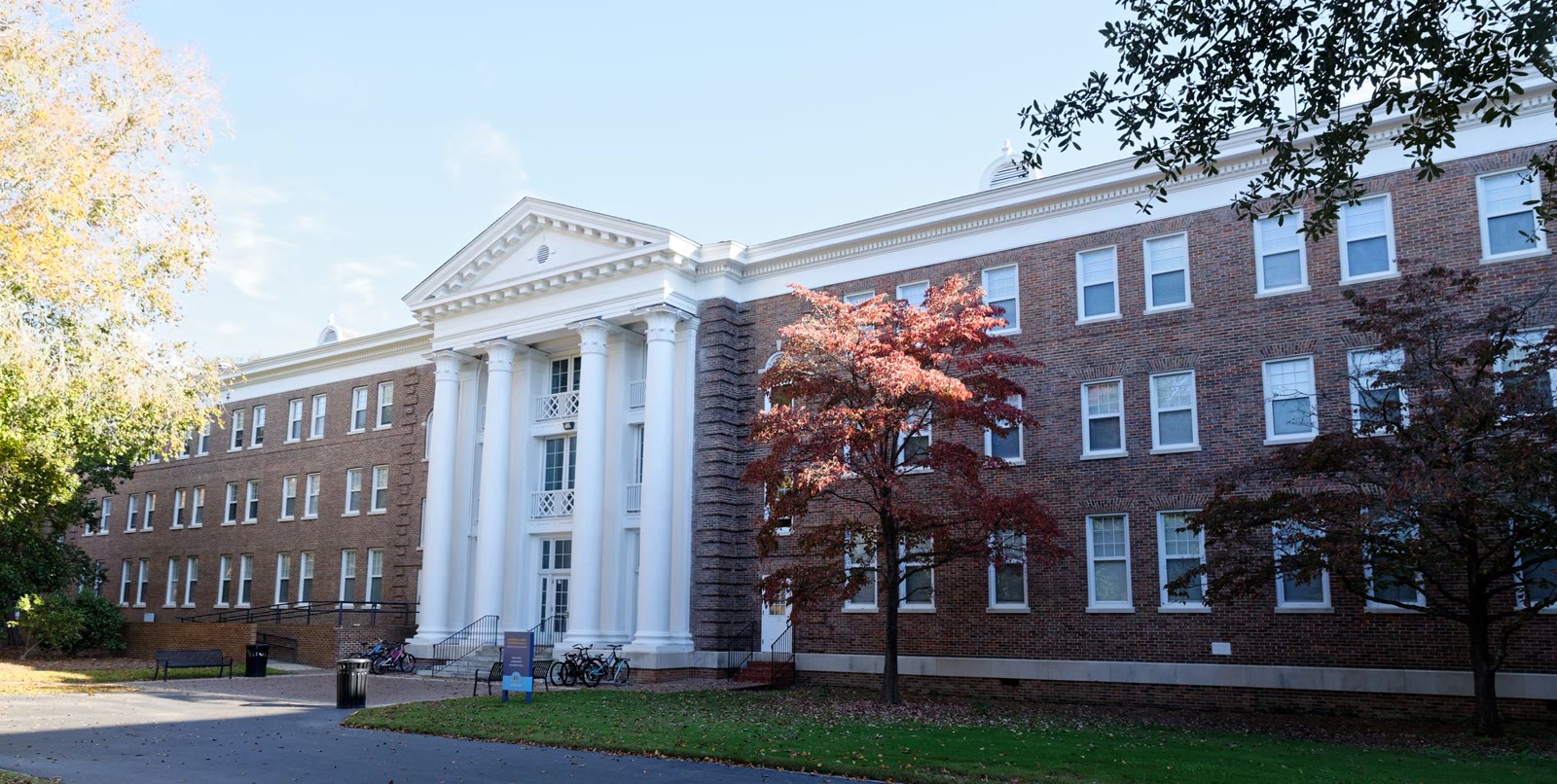
Hartsville is home to one of the country's top public high schools for science and math, and a downtown a short distance from its door.
Hero photo: Memorial Hall, Coker College, by Jud McCranie. CC BY-SA 4.0, via Wikimedia Commons
On Railroad Avenue, in a town of fewer than eight thousand people, a few hundred teenagers spend their last two years of high school living away from home and reading calculus before lunch. They come from every corner of South Carolina, from Charleston suburbs and Upstate mill towns and farm roads in the Pee Dee, and they arrive in Hartsville because this is where the state decided to put its school for the ones who think this way. The South Carolina Governor's School for Science and Mathematics is a public, tuition-free residential high school for grades eleven and twelve. Students apply in the tenth grade and, if they are taken, leave home in the fall of eleventh grade to finish growing up on a campus built for the purpose.
That single fact reorders a family's calendar. Move-in is not a Saturday errand; it is a two-year goodbye, repeated in smaller doses at every family weekend and answered at last by a commencement on a stage in this same small town. For parents driving in from across the state, Hartsville is not a stop on the way to somewhere else. It is the destination, and the destination has a downtown.
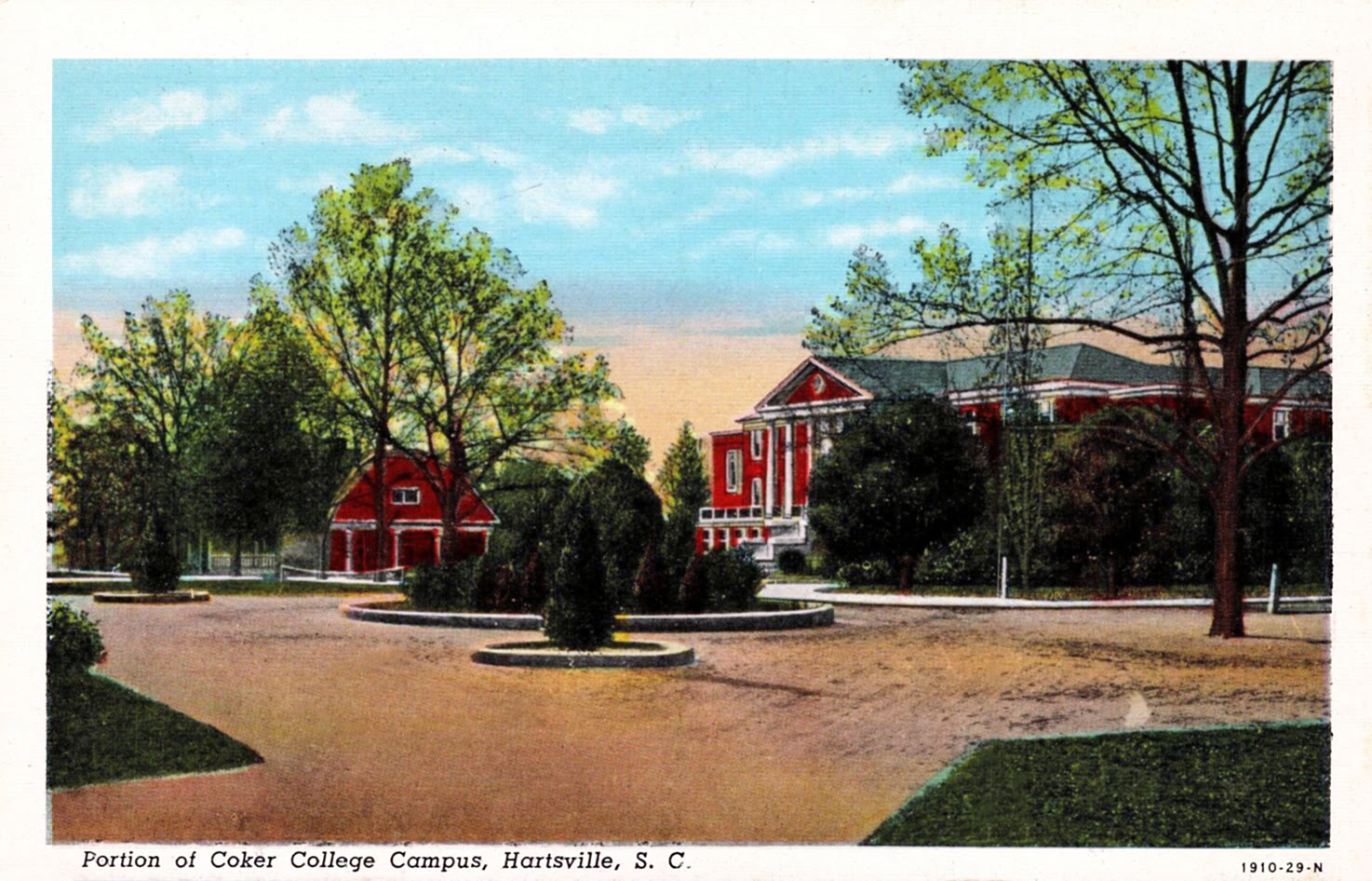
The school began in 1988, the work of two men with complementary motives. Governor Carroll Campbell wanted South Carolina to keep its brightest science and math students inside the state instead of losing them to magnet schools elsewhere. Charles W. Coker, of the Hartsville family whose name is on Sonoco and on Coker College, offered the place to do it. The first classes met on the grounds of then-Coker College, the small liberal-arts campus a mile from downtown, sharing the brick and the live oaks of an older institution while the new one found its feet.
It was a fitting cradle. The Coker family had spent a century planting institutions in this town (a paper-and-packaging company in 1899, a college, a botanical garden), and a residential science school was of a piece with that habit. For fifteen years the Governor's School borrowed Coker's grounds. Then, in 2003, it moved to a purpose-built campus nearby, the place it occupies today on Railroad Avenue.
"A residential public high school whose students think in logarithms before breakfast." The Mantissa, on the school its name quietly honors
The residential program is small by design and deep by intention. Students live on campus in Jack-and-Jill suites (two rooms joined by a shared bathroom, two students to a room) and study under a faculty that keeps a roughly ten-to-one student-to-teacher ratio. The school offers more than fifty STEM courses and describes itself, without much hedging, as one of the top STEM high schools in the country. In 2015 the residential program reached its planned ceiling of two hundred eighty-eight students, and that is about where it has stayed.
The point was never confinement to the textbook. In the Summer Program for Research Interns, students spend six weeks on mentored research in science, business or economics. The summer camp that began in 1990 as a one-week Summer Science Program has grown into the multi-week GoSciTech. And the school's reach now runs well past its own dormitories: through virtual courses, summer camps and in-school programs, GSSM reports touching roughly eleven thousand students in grades three through twelve across the state. The admissions terms hold the door open in a way worth naming. The program is tuition-free; families pay a meal fee and a small refundable deposit, with no application fee. Admissions are need-blind, and the school pledges that no accepted student is turned away for inability to pay.
The accolades arrive on a schedule. In 2026, Niche ranked GSSM the number-one public high school in South Carolina and number four in America, up from number eight in the nation the year before. Rankings shift year to year, and the school is honest enough about that. What does not shift is the rhythm of the place: each spring the seniors gather for commencement. The Class of 2025 crossed the stage on Friday, May 30, 2025, at the DeLoach Center on the Coker University campus, the graduation returning, by a small coincidence of geography, to the same grounds where the school first opened in 1988.
The alumni scatter into laboratories, start-ups and lecture halls, and occasionally somewhere less expected. The comedian, actor and filmmaker Aziz Ansari is among the school's listed graduates: proof, if any were needed, that a town that teaches logarithms before breakfast turns out more than engineers.

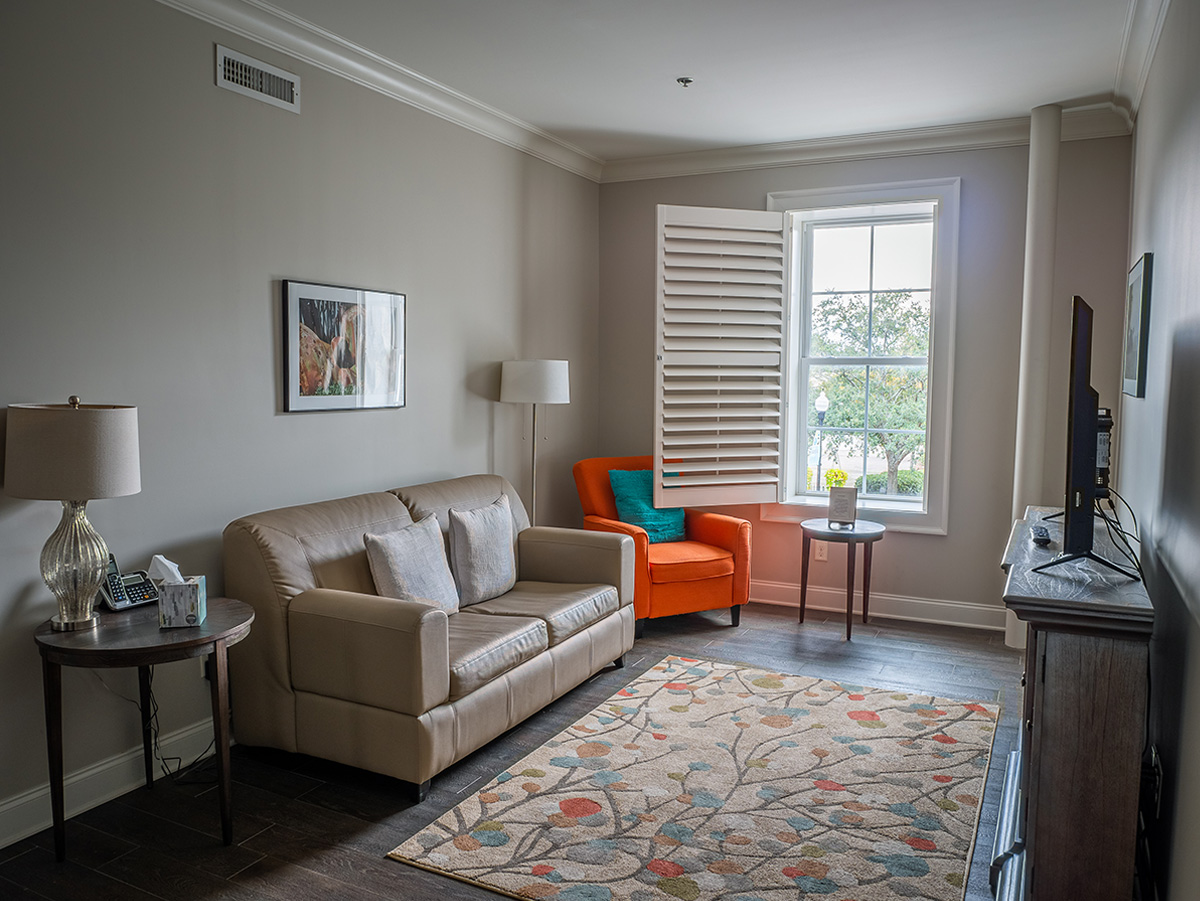
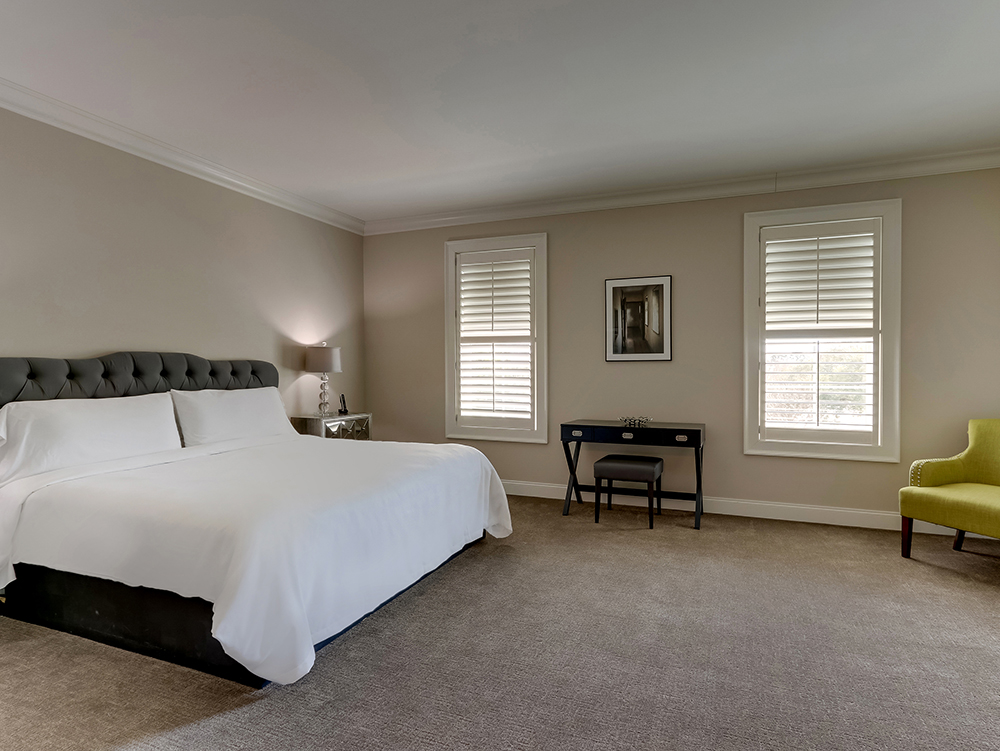
A two-year goodbye comes with a handful of weekends that matter (move-in, family weekend, the long-awaited commencement), and each of them is easier from downtown. The Mantissa stands at 130 East Carolina Avenue, in a century-old building put back to use in 2015, a short drive or walk from the Railroad Avenue campus. The seventeen suites read more like apartments than hotel rooms: full kitchens, premium beds. For parents in town to drop off a child, or to gather a few of them after the ceremony, that means room to spread out, a coffee made the way you like it, and a place to regroup between a campus tour and a celebratory dinner.
Evenings settle easily. The rooftop lounge pours sunset cocktails above downtown; Sam Kendall's sits nearby for dinner, with the Rooster 136 for the morning coffee and Wild Heart Brewing Company for later. Parking is free, so the car can stay put while you walk the few blocks of a downtown that earned the state's tenth Cultural District designation in 2023. And when commencement is over and you are pointed home, you are about thirty minutes from re-joining I-95 at Florence, ninety minutes from Columbia, two hours from Charlotte.
GSSM is a public, tuition-free residential high school in Hartsville, SC, for academically talented students in grades eleven and twelve. Students apply in tenth grade and complete two years on campus. The school offers more than fifty STEM classes, reports a ten-to-one student-to-teacher ratio, and houses residential students in Jack-and-Jill suites on its own purpose-built campus.
GSSM is at 401 Railroad Avenue, Hartsville, SC 29550. It was founded in 1988 on the grounds of then-Coker College and moved to its own purpose-built campus nearby in 2003. Both the campus and downtown Hartsville sit within the same small town.
Most visiting families stay at The Mantissa Hotel, an all-suite boutique hotel in downtown Hartsville at 130 East Carolina Avenue, a short drive or walk from the GSSM campus. The seventeen suites have full kitchens and premium beds, with a rooftop lounge and Sam Kendall's restaurant nearby: well suited to move-in weekends, family weekends and commencement.
The GSSM residential program is tuition-free. Families pay a meal fee (3,360 dollars per student for 2025-2026, estimated at 3,528 dollars for 2026-2027), plus a one-time refundable 100-dollar security deposit, and there is no application fee. Admissions are need-blind, and the school pledges that no accepted student is denied entry over inability to pay the meal fee. Figures are dated by school year and may change; verify with the school before relying on them.
Hartsville is about 24 miles northwest of I-95 at Florence, South Carolina, roughly a thirty-minute drive. Columbia is about 90 minutes away and Charlotte about two hours, which makes Hartsville a manageable destination for families traveling in for a campus visit or commencement.
The school is one thread in a town with several. These pages follow the others, and the practical question of where to stay while you are here.
Stay in the same few blocks as the school. Book direct.
The Mantissa Hotel is independently owned and operated and is not affiliated with, sponsored by, or endorsed by the South Carolina Governor's School for Science & Mathematics, Coker University, the State of South Carolina, or Niche. All trademarks are the property of their respective owners. Tuition, fees and rankings are dated by school year and subject to change; confirm current figures with the school before relying on them.